Piercing Aftercare in Hawaii: Why the Island Climate Changes Everything
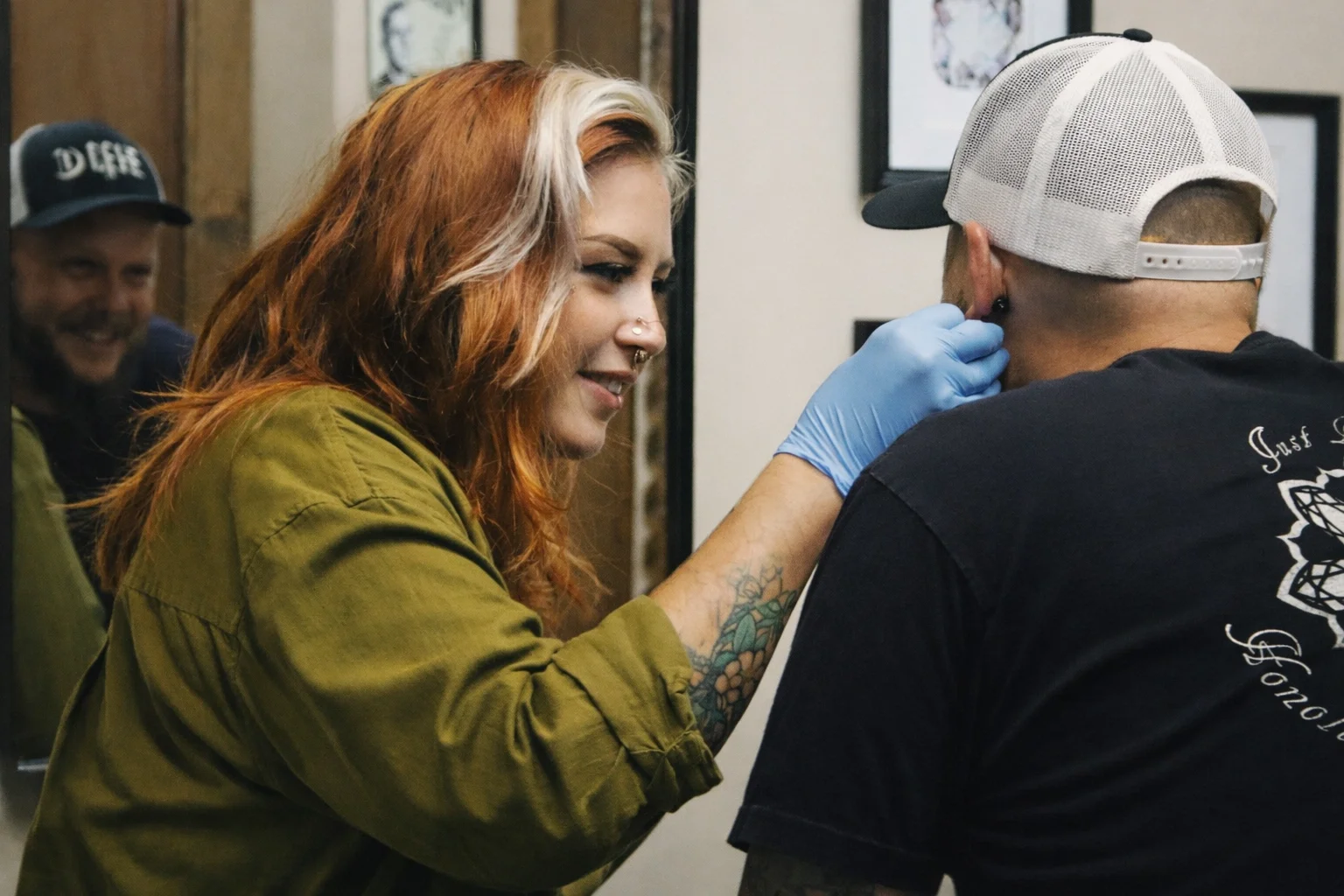
So you just got pierced, and you're sitting there admiring it while your piercer goes through the do's and don'ts for your newest addition. They hand you a pamphlet and you're on your way. A few days go by and you're cruising out to Sandy's with your friends. The temptation to jump in the water starts to rise. Between the excitement from your appointment, you realize you forgot most of what your piercer told you. Then it hits: you've got a real decision to make. Risk your new piercing, or have your moment of fun.
That moment — Sandy's on a Saturday with a fresh piercing and a very clear choice in front of you — is exactly what no mainland aftercare guide prepares you for. Lifestyle and environment play a huge role in how a piercing heals. The climate and humidity in Hawaiʻi can invite swelling and irritation in ways a drier climate won't. Having the knowledge, and the support of your piercer, to guide you through those ups and downs is what leads to a successful heal.
The Foundation: What HPC's Aftercare Actually Says
HPC's aftercare is simple at its core: keep your hands off your piercing. Minimizing contact — including during cleaning — is the single most important factor in proper healing. When you do clean it, use only sterile saline or clean running water. Nothing else. No alcohol, no peroxide, no Bactine, no tea tree oil, no antibacterial soap. All of those feel like they should help. They don't. Full aftercare instructions are on the HPC website — save that page before you leave the studio.
Clean once or twice a day. Spray, let it soak briefly, dry thoroughly. That last part — drying — is the step most people skip, and in Hawaiʻi's humidity it matters more than almost anywhere else. Moisture sitting around a healing piercing invites irritation. A sterile gauze pad or a single-use paper towel does the job.
Sandy's, Lanikai, Waimea — the Ocean Question
Here's the honest answer: all bodies of water carry bacteria that can raise infection risk during healing. Ocean, pool, hot tub, bathtub — submersion is off the table for a minimum of six weeks. That applies regardless of how clear the water looks or how many times you've swum there without issue.
On Oʻahu, six weeks of no submersion is a real lifestyle commitment. No jumping off the ledge at Waimea. No late-afternoon Lanikai swims. No early-morning surf at Suicides. Your piercer will talk through what that window actually looks like for your life — and what to do when the piercing gets wet anyway, because it will. The answer is: rinse with clean water, dry thoroughly, and move on. The six-week rule is real, but missing it once isn't a disaster if you handle it right.
What the Humidity Actually Does
Walk from your car to anywhere on Oʻahu in August and you're damp before you get there. That constant ambient moisture affects healing piercings — especially cartilage, which heals slower and reacts to its environment more than lobe tissue does. The humidity doesn't cause infections, but it can keep the area from drying properly between cleanings, which slows things down and can invite irritation bumps.
This is why the aftercare step that most people treat as optional — drying thoroughly after cleaning — is the one that matters most in a Hawaiian climate. And it's why cartilage piercings here sometimes take longer than the timelines you'll read online. Those timelines were written for somewhere else.
Your Piercer Doesn't Disappear After the Appointment
HPC offers complimentary follow-up appointments throughout your healing — not as a paid service, just as part of how the studio works. An irritation bump caught at week three is a completely different situation from one that's been ignored for four months. Your piercer can check placement, adjust jewelry if needed, and identify whether what you're seeing is a normal stage of healing or something that needs attention.
If you have questions between visits, reach out to the team directly. They pierced you, they want your piercing to heal as much as you do — maybe more.
Start Right — Book at HPC
Good aftercare starts before you leave the studio. The placement, the jewelry, the one-on-one conversation with your piercer — all of it sets up your healing before it even begins. HPC is at 3632 Waialae Ave STE 101 in Kaimukī, open daily 11 AM to 7 PM.
Book your appointment at. And when the six weeks are up, Sandy's isn't going anywhere.
Frequently Asked Questions About Piercing Aftercare in Hawaii
-
Not for a minimum of six weeks. Ocean water carries bacteria that raises infection risk during healing — regardless of water clarity or how many times you've swum there. That means Sandy's, Lanikai, the North Shore, the pool, hot tubs, all of it. Your piercer will help you figure out what that window looks like for your actual life on Oʻahu.
-
It can. Humidity keeps moisture around the piercing and slows the drying process that matters after cleaning. Cartilage piercings especially tend to be more reactive in warm, humid climates. Drying thoroughly with sterile gauze or a single-use paper towel after each cleaning is more important here than most generic guides acknowledge.
-
Sterile saline or clean running water — that's it. Alcohol, peroxide, Bactine, tea tree oil, and antibacterial soap all irritate healing tissue and slow things down. Clean once or twice a day, not more. Overcleaning causes the same problems as undercleaning, just in a different direction.
-
Until the piercing is fully healed — which depends on placement. Lobes: two to four months. Cartilage: six months to a year. Active aftercare continues throughout the entire window, not just the first few weeks. It becomes habit quickly once the piercing settles.
-
Come in. HPC offers complimentary follow-up appointments throughout healing. Early is always better — an irritation bump or swelling addressed at week three is far easier to sort out than one that's been sitting for months. Don't wait and hope it resolves itself.